

Eco-Friendly Packaging for Small Businesses: Practical Ways to Reduce Waste

Packaging plays an important role in protecting products, presenting a professional image and helping orders reach customers safely. However, unnecessary layers, oversized boxes and difficult-to-recycle materials can quickly increase the amount of waste produced by a business.
For a small business, improving packaging does not require an expensive redesign or a complete change of suppliers. Simple decisions — such as choosing a better-sized box, reducing empty space and using materials that customers can recycle easily — can make a meaningful difference.
This guide explores practical eco-friendly packaging ideas for small businesses. The aim is not simply to replace one material with another, but to create a packaging system that uses fewer resources while continuing to protect the product effectively.
What Does Eco-Friendly Packaging Really Mean?
Eco-friendly packaging is designed to reduce unnecessary environmental impact throughout its useful life. Depending on the product and delivery method, this may involve:
- Using less packaging material
- Choosing packaging made with recycled content
- Selecting materials that can be recycled after use
- Reusing boxes, envelopes or protective materials where appropriate
- Reducing the size and weight of parcels
- Avoiding unnecessary mixed-material packaging
- Preventing product damage and the waste caused by returns or replacements
There is no single packaging material that is automatically the best option for every business. A lightweight mailer may use less material than a cardboard box for clothing, while a strong double-wall box could be the more responsible choice for a heavy or fragile product because it reduces the risk of damage.
The most effective approach is to consider the complete packaging process rather than focusing on one material in isolation.
Why Sustainable Packaging Matters to Small Businesses
Reducing packaging waste can benefit both the environment and the business. Using less material may reduce packaging costs, while smaller parcels can take up less storage space and may be more efficient to handle.
Thoughtful packaging can also improve the customer experience. A parcel that is appropriately sized, easy to open and simple to recycle often feels more considered than one filled with unnecessary layers.
For small businesses, packaging is also part of the brand. It is one of the first physical interactions an online customer has with a company. A practical and responsible packaging approach can demonstrate attention to detail without relying on elaborate or excessive presentation.
1. Audit the Packaging You Already Use
Before buying new materials, review your current packaging process. Choose several typical orders and examine every component used to prepare them for shipping.
Ask the following questions:
- Is the outer box or envelope larger than necessary?
- How much empty space needs to be filled?
- Are products being wrapped more than once without a clear reason?
- Could one material perform the job of two separate components?
- Are all parts of the packaging necessary for protection?
- Can the customer identify how to reuse or recycle each material?
- Are damaged products or packaging failures creating additional waste?
Keep a simple record of the boxes, envelopes, bags, tape and void fill used for common order types. This gives you a starting point and helps identify the easiest improvements.
2. Choose Packaging That Fits the Product
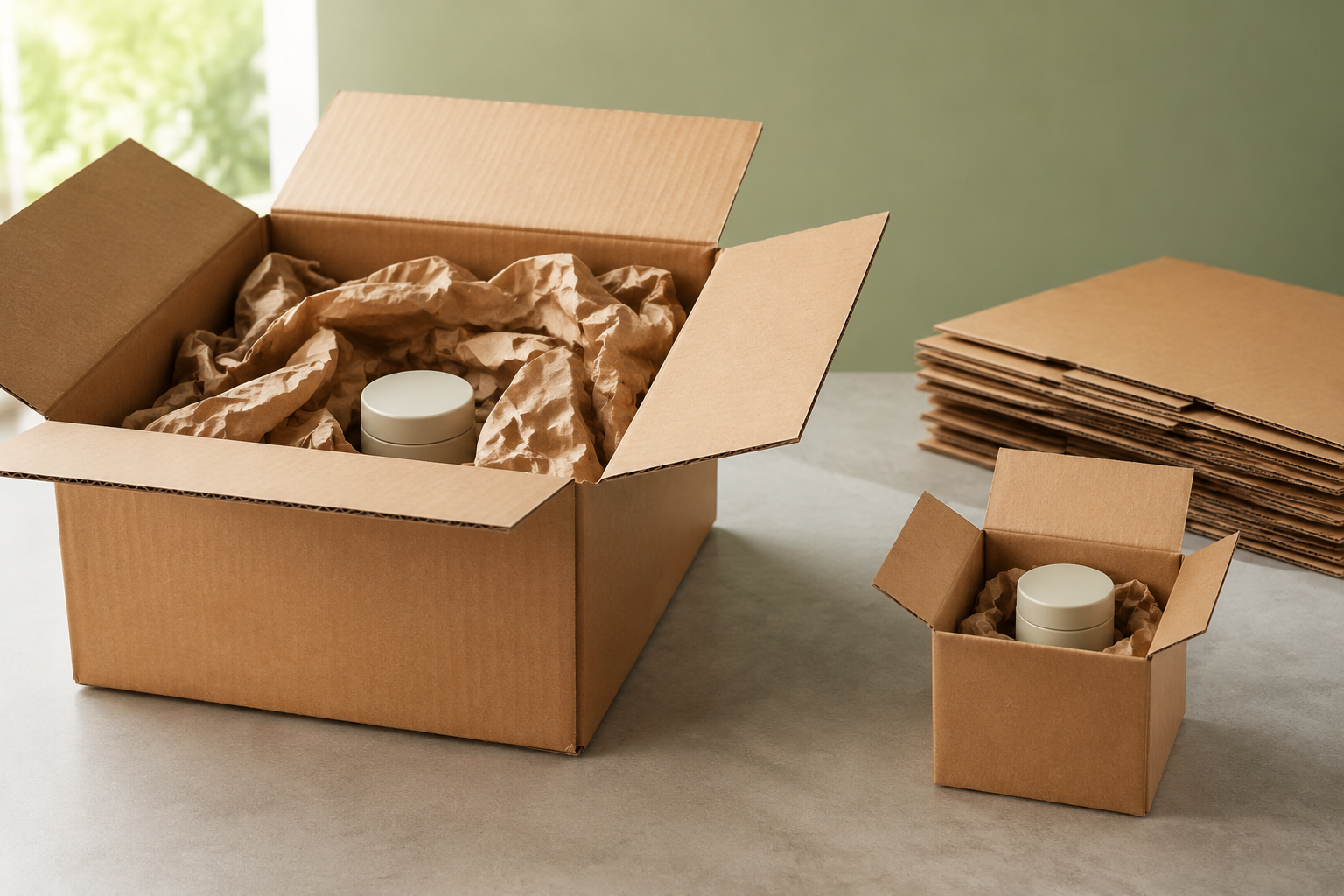
Oversized packaging is one of the most visible forms of waste. A box that is much larger than its contents requires additional void fill, takes up more room in storage and creates a less efficient parcel.
Build a small selection of packaging sizes around the orders you send most frequently. Many small businesses do not need dozens of different boxes. A carefully chosen range of three or four sizes may be enough to cover most products.
Use a compact box or postal envelope for small, lightweight items. Reserve larger or double-wall boxes for products that genuinely need the extra space and strength.
The goal is to leave enough room for appropriate protection without creating large empty areas. When a product fits the package correctly, less cushioning is required and the finished parcel looks more professional.
3. Use Recycled and Recyclable Materials Where Practical
When selecting packaging supplies, look at both the material itself and what is likely to happen after the customer receives it.
Cardboard Boxes
Cardboard boxes are widely used because they are strong, versatile and suitable for many types of products. Boxes made with recycled content can reduce demand for virgin material, while clean cardboard is commonly accepted for recycling.
Choose the strength that matches the product. A single-wall box may be suitable for lightweight goods, while a double-wall box can provide better protection for heavier or more fragile items. Using the correct grade helps avoid both under-packaging and unnecessary material use.
Paper Envelopes and Mailers
Paper envelopes can be a practical choice for documents, stationery and flat products. Windowless envelopes are often easier for customers to understand when sorting their recycling, although the best option will depend on the purpose of the envelope and the facilities available locally.
For items that need more protection, consider a rigid paperboard envelope or padded paper mailer rather than placing a very small product in a large box.
Polythene Bags and Mailing Bags
Lightweight polythene bags can use significantly less material than a rigid box when shipping soft, non-fragile products such as clothing. Some polythene packaging can also be recycled through suitable collection routes.
However, recycling availability varies, and customers may not be able to place all plastic films in their household recycling. If you use polythene bags, choose an appropriate size, avoid unnecessary layers and provide accurate disposal information rather than making broad environmental claims.
4. Reduce Empty Space and Void Fill
Void fill prevents products from moving inside a parcel, but it should not compensate for a badly sized box. Start by choosing a package that fits the contents, then add only the protection required.
For suitable products, paper-based void fill can be easy to reuse or recycle. Clean packing paper can be crumpled to support items and fill gaps, while cardboard inserts or dividers can separate multiple products in the same box.
Air pillows and other lightweight materials may use relatively little material, but local recycling options should be considered. Whichever type you choose, use it consistently and avoid mixing several materials when one would provide adequate protection.
Never remove necessary cushioning simply to make a parcel appear more sustainable. A broken product creates additional waste through replacement goods, repeat packaging and another delivery.
5. Remove Unnecessary Packaging Components
Small reductions across many orders can add up. Review each packaging element and ask whether it provides protection, essential information or a clear customer benefit.
Items that may be reduced or removed include:
- Multiple promotional leaflets in every order
- Decorative plastic sleeves around products that are already protected
- Separate boxes inside a shipping box without a practical reason
- Excessive tissue paper or wrapping
- Plastic windows on packaging where visibility is not required
- Large printed cards that could be replaced with a smaller message
Digital order confirmations, care instructions and returns information can sometimes replace printed inserts. A QR code may also direct customers to useful information online, although important product or safety information should always remain clear and accessible.
6. Use Tape Efficiently
Strong packing tape helps keep a parcel secure, but applying several unnecessary layers increases material use and can make a box harder to open or recycle.
Choose tape that is suitable for the weight and surface of the package. Apply it neatly along the seams that need support. For standard cardboard boxes, an H-shaped seal across the central opening and side edges can provide secure closure without wrapping tape around the entire parcel.
Paper tape may be an option for some cardboard packaging, while strong plastic packing tape may still be appropriate for demanding or heavier shipments. The most suitable choice is the one that keeps the parcel closed using a reasonable amount of material.
7. Reuse Packaging Safely
Before purchasing more supplies, consider whether any clean packaging received by your business can be reused. Cardboard boxes, packing paper and protective materials may be suitable for another shipment if they remain in good condition.
Inspect reused packaging carefully. Do not use boxes with crushed corners, tears, weakened folds, water damage or contamination. Remove or completely cover previous delivery labels, addresses and barcodes.
Reusing packaging should never reduce product protection or make the order appear careless. A simple message explaining that clean packaging has been reused can help customers understand the decision.
8. Protect Products Properly to Prevent Returns
The lowest-material option is not always the most sustainable if it allows products to become damaged. Returns and replacements may require another product, another package and an additional delivery.
Test your packaging using the actual products you sell. Check whether the item moves inside the parcel and pay attention to vulnerable corners, edges, lids and screens. Pack multiple fragile items separately so they cannot hit each other in transit.
If breakages occur regularly, investigate the cause. The solution may be a stronger box, better internal support or a different package size rather than simply adding more loose filling material.
Good eco-friendly packaging balances material reduction with reliable protection.
9. Make Recycling Easier for Customers
Packaging is more likely to be recycled correctly when customers can separate and identify the materials easily.
Where possible:
- Keep packaging components simple
- Avoid permanently joining different materials
- Use clear and accurate disposal guidance
- Make reusable features easy to understand
- Avoid vague claims such as “100% green” or “environmentally harmless”
If a box contains cardboard, plastic film and another protective material, explain how the components should be separated. Keep the message concise and ensure it reflects the actual material and available recycling routes.
10. Buy and Store Packaging More Efficiently
Buying packaging in sensible quantities can reduce cost per item, but ordering more than you can use may lead to damaged or obsolete stock. Choose quantities that match your sales volume and available storage space.
Store cardboard boxes, paper envelopes and tape in a clean, dry location. Moisture can weaken paper-based packaging and make adhesive products less reliable. Use older stock first and keep an accurate record of the sizes you use most often.
Consolidating packaging purchases may also reduce the number of separate deliveries made to your business. A reliable supplier offering boxes, envelopes, tape and postal packaging in one place can make stock management simpler.
11. Measure Your Progress
Sustainable packaging improvements are easier to maintain when they can be measured. You do not need complex reporting software to get started.
Track practical indicators such as:
- Average amount of packaging used per order
- Number of packaging sizes held in stock
- Quantity of void fill used
- Product damage and return rates
- Percentage of packaging made with recycled content
- Percentage of orders sent in reusable or recyclable packaging
- Customer comments about excessive or difficult-to-open packaging
Review the results every few months. If a change reduces material but increases damage, it needs to be adjusted. If a smaller box protects the product equally well, it may be suitable for more order types.
Eco-Friendly Packaging Ideas for Different Small Businesses
Clothing and Textile Retailers
Soft, lightweight products may not require a cardboard box. A correctly sized mailing bag or paper mailer can reduce parcel volume. Avoid wrapping each garment in several separate layers unless moisture or product protection makes this necessary.
Stationery and Document Suppliers
Use appropriately sized paper envelopes, board-backed envelopes or rigid mailers to prevent bending. Choose window envelopes only when the window provides a practical benefit, and avoid placing a small document pack in a large box.
Handmade Product Businesses
Standardise packaging around your most common product sizes. Use paper cushioning, cardboard dividers and compact boxes to create a consistent presentation without excessive decorative material.
Sellers of Fragile Products
Prioritise damage prevention. Wrap items individually, use dividers and select a box strong enough for the product. Reduce waste by improving the fit and internal structure rather than removing essential protection.
Common Eco-Friendly Packaging Mistakes
Good intentions do not always produce better packaging. Watch out for these common mistakes:
- Choosing a material because it looks natural without checking its full composition
- Using a recyclable box but filling it with unnecessary mixed materials
- Selecting packaging that is too weak for the product
- Making environmental claims that are unclear or difficult to verify
- Assuming all paper or plastic packaging is accepted by every recycling service
- Buying too many packaging sizes and creating unused stock
- Removing protection and increasing product damage
- Focusing on decorative presentation instead of material efficiency
The most practical packaging is usually simple, appropriately sized and easy for the customer to deal with after delivery.
Frequently Asked Questions
What is the most eco-friendly packaging for a small business?
There is no universal answer. The best option uses an appropriate amount of material, protects the product effectively and has a realistic route for reuse or recycling. A paper envelope may suit documents, while a strong cardboard box may be necessary for fragile goods.
Is cardboard packaging environmentally friendly?
Cardboard can be a practical option because it may contain recycled material and is commonly recyclable when clean and dry. However, using an oversized or unnecessarily strong box still consumes more material than required. Choose the size and grade that match the product.
Is paper packaging always better than plastic?
Not necessarily. Packaging performance, weight, material quantity, reuse and local recycling facilities all matter. A lightweight plastic mailing bag may use less material than a box for some products, but it may also require a specialist collection route. Assess the complete packaging need rather than judging by appearance alone.
How can a small business reduce packaging costs?
Start by reducing oversized parcels, standardising commonly used sizes and removing unnecessary components. Buying suitable packaging quantities and preventing damage can also reduce replacement and reshipping costs.
Can I reuse boxes for customer orders?
Yes, if the boxes are clean, strong and appropriate for the products. Remove old labels and do not reuse packaging that is torn, crushed, damp or contaminated.
Make Your Packaging More Efficient, One Change at a Time
Eco-friendly packaging for small businesses does not need to be complicated. Begin by reviewing what you already use, choose packaging that fits your products and remove materials that do not provide protection or useful information.
The best packaging system reduces waste without increasing product damage. By combining appropriately sized boxes and envelopes with efficient cushioning, secure tape and clear recycling information, you can create parcels that are practical for your business and easier for customers to manage.
Explore our range of cardboard boxes, envelopes, mailing bags, packing tape and postal packaging supplies to build a more efficient packaging process for your business.